Presevo, Bujanovac, Medvedja – A study conducted by the Institute of Social Sciences and the Center for the Study of Ethnicity "Social Relations between Ethnic Groups in Serbia" showed that ethnic distance, when it comes to marriage, was the greatest between the Serbs and Albanians, while that distance decreased when it came to the coexistence of the Serbs and Albanians.
Presevo, Bujanovac, Medvedja – A study conducted by the Institute of Social Sciences and the Center for the Study of Ethnicity "Social Relations between Ethnic Groups in Serbia" showed that ethnic distance, when it comes to marriage, was the greatest between the Serbs and Albanians, while that distance decreased when it came to the coexistence of the Serbs and Albanians.
2,130 members of the Serbian community and 759 members of the aforementioned national minorities participated in the survey.
One third of the Serb respondents (31%) would accept being married to an Albanian man or woman. The attitudes of members of the Albanian national minority are even more rigid, so that only 26.4% of members of that national minority would marry members of the Serbian nationality.
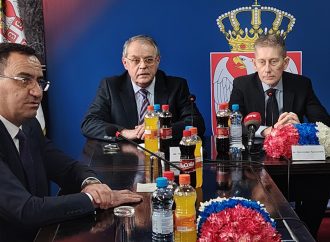
Goran Basic, the Director of the Institute, said at the presentation of the survey at the Media Center that almost two thirds of the respondents of theSerbian nationality would agree to coexist with the Albanians.
On the other hand, the Albanians are not thrilled with coexistence: 60% of them would live in the same country with the Bosniaks, about 40% with the Serbs, the Croats, the Romanians, the Slovaks and the Hungarians, while only a third of the Albanian respondents would live with the Roma.
“The survey also showed that only 24% of the Serbs would agree for an Albanian to be the President of Serbia, while greater support for the idea would come from the Hungarians (39%), the Romanians (41%), the Roma (28%) and the Croats (53%)”, Mr. Basic said.
When it comes to discrimination, the Serbian society is burdened with it and everyone faces the problem – both members of the Serbian people and national minorities. Discrimination is most common in informal contacts, at school or at work, while these problems occur less frequently in public authorities’ bodies, where the citizens exercise their rights.
Over half of the surveyed Albanians (59.6%) and Bosniaks (56.4%) faced discrimination on ethnic grounds in informal contacts more than ten times.
It is also interesting that one third of the respondents of the Serbian nationality experienced discrimination on the basis of ethnicity in daily contacts with their fellow citizens.
The survey also shows that the integration potential of our society, despite the shown social distance of ethnic communities, is partially preserved. This is confirmed by the fact that the majority of members of national minorities are bilingual and that national minorities, except for the Albanians, are more strongly connected to Serbia than to their countries of origin.
Source: “Beta” news agency, Jugmedia and Coordination Body