The European Commission has submitted a proposal to replace the existing EU legislation on the EU Solidarity Fund, so that Member States and countries in the accession negotiations…
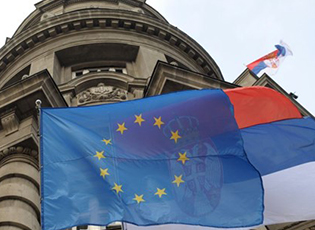
 The European Commission has submitted a proposal to replace the existing EU legislation on the EU Solidarity Fund, so that Member States and countries in the accession negotiations, including Serbia, could use the funds from this fund in the event of threats to public health.
“The crisis we are facing due to the coronavirus has both a very significant human dimension and a potentially great economic impact… As part of this joint concerted response, the EU Solidarity Fund can play an important role in showing solidarity to Member States in dealing with this emergency situation,” it was said in the proposal.
The EU Solidarity Fund was established in 2002, but has so far only been used in situations of major natural disasters, such as floods, storms, earthquakes, volcanic eruptions, forest fires or droughts.
The countries eligible to apply for funding from the Fund, which are the EU Member States and candidate countries in the process of negotiations, can do so if the direct damage from a natural threat is estimated at 3 billion euros or 0.6% of their gross national income.
The Commission also suggested increasing the amount to be paid in advance by the Member States to 25% of the total amount or up to 100 million euros. Under the new proposal, previous upfront payments (10% of the total amount or 30 million euros) turned out to be insufficient.
If the application for funds is successful, the financial assistance is obtained in the form of funding from the Fund. Not later than six months after the eighteen-month period during which the funds are to be used, the recipient country will need to show how it spent the funds received by submitting a special report
The Commission’s proposal has been drafted by the Directorate-General for Regional and Urban Policy and is currently undergoing the adoption procedure. It will have to be approved by both the EU Council of Ministers and the European Parliament.
The first phase of Council adoption was completed yesterday, when the Working Group on Structural Measures endorsed the proposal, including its adoption by urgent procedure, and sent it to the Permanent Representatives Committee, which is below the level of Ministers of EU Member States.
Source: EWB and Coordination Body